
How to Get Rid of Woodrats | Easiest Ways That Works

How To Get Rid Of Woodrats

No creature is as dreadful as a woodrat! Who wants to live with them? Imagine a house with rats roaming your kitchen, lawn, and bathroom. It’s a nightmare scenario, but if it happens, you’re not alone. We’re here to guide you with effective strategies to control woodrats and protect your home.

So, how to get rid of woodrats?

To get rid of woodrats, you can try killing them through snap traps or you can catch them alive in a cage or bait station. Natural remedies are also effective to kick off this rodent from your home like loud music, pepper or chili smell, ammonia odor, keeping a cat as a pet, and many more.

How to Get Rid of Woodrats?

Woodrats, also known as packrats or bushy-tailed rats, are notorious rodents found primarily in the US and Canada. These intelligent creatures can cause significant damage by chewing through wood, wires, leather, cotton, and more. Their versatile behaviors, including their habit of collecting shiny objects, make them particularly troublesome. Don’t take them lightly—they are smart and can be challenging to eliminate!

Identifying Woodrats

What Do Woodrats Look Like?

How-To-Get-Rid-Of-Woodrats

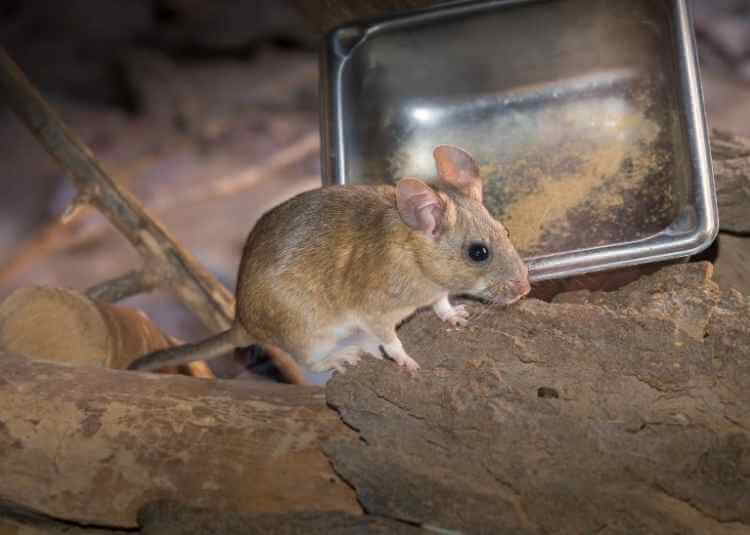
If you’ve ever spotted a rodent darting across your workshop or woodpile and wondered whether it was just a regular rat—you’re not alone. But woodrats, often called pack rats, are quite different from their city-dwelling cousins.

Unlike the sleek, greasy-tailed Norway rat or the agile roof rat, woodrats have furry, squirrel-like tails, large rounded ears, and soft grayish-brown fur. They’re generally 7 to 8 inches long, with tails that can add another 6 to 8 inches. Their big black eyes and twitchy pink noses almost give them a mischievous charm—until you find your extension cord gnawed in half or your insulation chewed up like confetti.

FeatureWoodrat (Pack Rat)Common Rat (Norway/Roof)
TailFurry, squirrel-likeHairless, scaly
Body Length7–8 inches6–9 inches
Tail Length6–8 inches6–8 inches
FurSoft, gray-brownCoarse, brown or black
BehaviorNocturnal, solitarySocial, aggressive

Tip for woodworkers: If you notice gnaw marks on your lumber or tools and suspect a rat but can’t confirm the type, set up a motion-activated trail cam or scatter fine sawdust near the suspected area to trace prints. You can find compact wildlife cameras like the GardePro A3 Trail Camera on Amazon—they’re surprisingly effective for nighttime invaders.


Signs of an Infestation

Woodrats don’t just pass through—they move in like bad roommates.

They build huge, messy nests, called middens, from twigs, bark, leaves, wires, and even screws or shiny washers. You’ll usually find these in attics, garages, behind stacks of firewood, or inside walls if they’ve managed to chew their way through.

Here’s what to watch for:

  • Droppings: About ½ inch long, oval-shaped, dark pellets often found near food, walls, or along their travel routes.
  • Gnawed wood and wires: Woodworkers beware—woodrats are relentless chewers. They’ll chew lumber, tool handles, even PVC and electrical wiring, which can pose serious fire risks.
  • Rub marks: Oily smears along baseboards or walls from their fur as they squeeze through.
  • Noises at night: Scratching, scurrying, or rustling—especially in ceilings, attics, or near tool storage.
  • Nest debris: Piles of sticks, leaves, shredded insulation, or bits of string arranged in unnatural corners or inside cabinets.

Quick fix: If you find signs of woodrats in your workspace, avoid disturbing droppings or nests dry. Always wear gloves and a mask. These disposable nitrile gloves and a basic N95 mask will protect you from airborne bacteria or hantavirus risks while inspecting.

Don’t forget your workshop. Unused wood scraps or bags of rags tucked in corners are all prime building material. A quick decluttering session could save you serious repairs later.


Remove Food & Water Sources

Even the cleanest yard may have hidden snacks for a woodrat, fallen fruit, pet food bowls—they all provide calories without effort.

Use this checklist to eliminate attractants:

Food/Water SourcePrevention Tips
Pet food (outdoor dishes)Bring indoors after feeding; never leave overnight
Bird seedUse spill trays and sweep regularly
Fallen fruit/vegetablesPick up daily during harvest season
CompostStore in metal bins with tight lids
Open water (drips, hoses)Fix leaks, drain stagnant puddles, check irrigation systems

For safe outdoor storage, metal feed bins like these are chew-proof and ideal for seed or compost. Unlike plastic, they won’t get shredded overnight.

A woodrat only needs a few tablespoons of food per day. Don’t give them a reason to settle down.


Good Yard and Workshop Practices

Long-term prevention depends on consistency. The initial cleanup is important, but keeping your property uninviting takes routine care—especially in and around structures where tools and lumber are stored.

AreaBest Practices
Workshop floorsSweep regularly; avoid sawdust piles or dropped food
Storage zonesUse sealed bins, keep items off floor, avoid cardboard boxes
Garage/attic spacesInspect monthly for droppings, gnaw marks, or nest signs
Outdoor shedsOrganize tools, remove clutter, install motion lights if needed

If you’re unsure whether your storage system is rodent-safe, consider using heavy-duty plastic bins with gasket lids. They’re not chew-proof like metal, but much better than cardboard or soft totes.

For more detailed workspace prevention tips, explore our woodshop pest-proofing checklist on WoodHunger.

Seal Your Space: Exclusion Techniques

You’ve cleared the clutter, removed the snacks, and made your yard less inviting—but if a woodrat can still squeeze through a hole in your wall or crawl up your vines, it’ll find a way in. That’s why exclusion is the backbone of any long-term solution. It’s not just about cleaning up—it’s about locking them out.

Woodrats are excellent climbers and chewers. They can squeeze through holes just half an inch wide (about the diameter of a U.S. nickel), and they’ll gnaw at edges until an opening fits. That makes gaps around pipes, attic vents, and even poorly sealed doors a prime target.

Below are the most effective ways to seal your space and shut the door—literally—on future infestations.


Block Entry Points

The first step is a perimeter check. Walk around your home or shed with a flashlight and mark any holes, cracks, or openings. Don’t just look at ground level—check up high, too.

Common Entry PointRecommended Solution
Foundation cracksFill with mortar or rodent-proof caulk
Gaps around pipes/wiresUse copper mesh or steel wool + expanding foam sealant
Crawlspace ventsCover with ¼″ hardware cloth or galvanized steel mesh
Gaps in soffits/fasciaPatch with metal flashing or caulk

A combination of steel wool and expanding foam works great in irregular gaps. For large openings, use ¼-inch hardware cloth like this one from Amazon—it’s durable and chew-proof.


Protect Doors, Vents & Roofs

Your doors and vents are likely the largest openings into your home. While you might assume they’re secure, even a ¼-inch gap under a door is enough for a woodrat to start chewing its way in.

Vulnerable AreaFix
Exterior doorsInstall metal door sweeps and weather stripping
Roof vents and eavesCover with metal mesh or screening
ChimneysCap with a rodent- and bird-proof chimney cap
Garage doorsEnsure tight seal when closed; add bottom seals if needed

Weatherproofing products like this door sweep can block even the smallest gaps under doors. And don’t forget your attic vents—if they’re open, rats can walk right in from a roofline tree.


Manage Vegetation

Sometimes the entry point isn’t a hole—it’s a branch. Woodrats can climb vines, fences, and tree limbs to reach upper vents or eaves.

To avoid this, keep a “clear zone” around your structure:

Vegetation TypeSafe Distance From House
Tree branchesTrim to at least 4–6 ft from roof/eaves
Vines on wallsRemove entirely; they act as ladders
Bushes/shrubsMaintain at least 2–3 ft clearance

If overgrowth has already reached your structure, start with basic pruning tools. For heavier work, a corded pole saw like this one can help you reach high branches safely.

By maintaining distance and sealing every gap, you create a physical barrier that woodrats can’t bypass. This step alone significantly reduces the chance of repeat infestations.

Natural & DIY Repellents (Short-Term Help)

You’ve sealed, cleaned, and trimmed. But what if a stubborn woodrat keeps showing up—or worse, you’re not sure if it ever left? That’s where repellents come in.

While no scent, sound, or gadget will eliminate a woodrat problem by itself, repellents can push active rats out of hiding, protect specific areas like sheds or garages, and give your other methods time to work. Think of them like guard dogs—annoying, persistent, and best used when combined with strong fences (or in this case, traps and exclusion).


Scent-Based Repellents

Woodrats have a highly sensitive sense of smell. Strong odors disrupt their routines and may even make them abandon a location—especially when it’s newly sealed off or no longer ideal for nesting.

Here’s what works best:

Repellent TypeHow to Use
Chili flakes or powderScatter near suspected runways, holes, or corners
AmmoniaSoak cotton balls and place inside disposable containers near nests
VinegarSpray undiluted white vinegar in crawlspaces, attics, or corners
Peppermint oilMix 10–15 drops with water; spray entry points or soak cotton pads
Balsam fir oilUse in diffuser or dab near suspected nesting spots

Products like natural rodent repellents with balsam fir oil are non-toxic and can help protect specific rooms or cabinets temporarily. Just remember—strong smells fade, so reapply regularly.

Note: These repellents are most effective after you’ve cleaned up nesting sites and blocked entrances. They discourage return, not removal.


Predator Deterrents

Woodrats have plenty of natural enemies, and you can use that fear to your advantage. Sometimes, the illusion of danger is enough to drive them off—or keep them from moving in to begin with.

Predator StrategyEffectiveness & Use
House catsCan deter rats through scent or physical presence
Predator urine productsSprinkle near perimeter; mimic scent of foxes or coyotes
Owl boxesAttract barn owls—natural rodent control in rural or suburban settings

Installing a simple barn owl box like this one in a tree near your property can invite real rodent patrol. If you’re not keen on attracting real predators, commercial predator urine sprays can simulate their presence.

However, these tactics won’t remove rats already inside walls or attics. Use them as part of a layered defense strategy.


Sound & Light Tactics

Woodrats are nocturnal and naturally avoid chaotic or unfamiliar environments. Disrupting their peace can encourage them to vacate, especially from newly discovered spots like a shed, crawlspace, or attic.

Disruption MethodBest Application
Ultrasonic pest repellersPlug into outlets near problem zones (use multiple in large rooms)
Flashing LED devicesPlace near nests or dark corners where motion is detected
Loud music or talk radioLeave on overnight in garages or attics to disturb nesting

Ultrasonic repellers like the BRISON Ultrasonic Pest Repeller are a non-toxic way to supplement other defenses. Results vary—but they can help in sealed areas where rodents feel cornered.

Important: These tools should never be used as your only method. Once rats are comfortable, noise alone won’t scare them off.


Note: Repellents Are Backup, Not the Battle Plan

It’s tempting to look for a magic spray or plug-in that makes woodrats vanish—but real success comes from prevention, sealing, and trapping. Repellents are most effective after you’ve removed shelter and blocked entry points.

Think of them as a final layer of irritation, like nails on a chalkboard for woodrats. When used alongside physical exclusion and active removal methods, they can speed up eviction and discourage new visitors.

Next up, we’ll cover Trapping Techniques, including both humane and lethal options, plus baiting tips and safety notes for DIY-minded homeowners.

Trapping Woodrats: Humane & Lethal Methods

Once you’ve done the groundwork—cleaning, sealing, and repelling—trapping becomes the most effective way to remove any woodrats that remain. It’s the step where theory becomes action.

Trapping doesn’t just reduce the population—it helps you confirm where rats are still active. Each catch provides data: what bait they like, where they’re traveling, and how many more might be lurking nearby. Below, we’ll walk through your best trap options, along with the safest and most effective ways to use them.


Snap Traps (Lethal)

Snap traps are simple, inexpensive, and highly effective. When set correctly, they kill quickly and minimize suffering—making them the preferred lethal method for many DIYers.

Best Placement AreasEffective BaitsSafety Tips
Along walls or baseboardsPeanut butter (smooth), oatmeal, appleAlways wear gloves to avoid scent contamination
Behind cabinets or tool storageBacon bits, dried fruit, nutsKeep out of reach of pets and kids
Near droppings or rub marksNesting material (cotton, tissue)Dispose using gloves; wash hands after handling

The Victor Metal Pedal Rat Trap is a tried-and-true classic. Use multiple traps for best results—woodrats are territorial, but a single one often means there’s more nearby.


Live Traps (Humane)

If you’d rather not kill the animal—or you want to monitor activity before escalating—live traps are a good option. They’re best used in garages, barns, or areas where you can check traps frequently.

How to UseTrap PlacementCommon Mistakes to Avoid
Bait with peanut butter, apple, or nesting materialNear wood piles, garages, tool shedsDon’t set traps where they can overheat or freeze
Check at least twice a dayAlong known travel paths or droppingsDon’t relocate without checking legal restrictions
Use nesting scent to encourage entryNear known midden or nest sitesNever release within residential zones

The Havahart 1025 is ideal for small rodents like woodrats.

Releasing vs. Euthanizing

Before you release a trapped rodent, check your state’s regulations. In many U.S. states, it is illegal to relocate nuisance wildlife due to risks of disease spread and ecosystem disruption.

OptionConsiderations
RelocationMust be 2+ miles away, away from homes; may be illegal in your area
EuthanasiaShould be humane and immediate—consult a vet or animal control if unsure

Always research your state’s wildlife handling laws. You can also call a local extension office or humane society for specific guidance.


Electronic & Other Traps

In recent years, alternative traps have become more accessible for homeowners—but not all are equally effective or humane.

Trap TypeHow It WorksNotes
Electronic trapsDelivers a high-voltage shock for quick killRat Zapper is a clean, reusable option
Conibear trapsPowerful kill traps used by professionalsRisky to use indoors or without experience
Glue boardsRodents get stuck and die slowlyInhumane and strongly discouraged for ethical reasons

If you use electronic traps, place them in dry areas and follow the manufacturer’s safety instructions. While these can be cleaner than snap traps, they are more expensive and require batteries.


Trapping Best Practices

No matter what trap you use, strategy matters. Random placement won’t get results. Rats are cautious and will avoid strange objects unless properly baited and placed.

Best PracticeWhy It Works
Pre-bait trapsLeave traps unarmed for 1–2 nights so rats become comfortable with them
Use glovesPrevents human scent transfer that can scare rats off
Set multiple trapsWoodrats are territorial; multiple placements increase success
Check dailyPrevents suffering in live traps, removes carcasses before odor spreads

Rotate bait types if nothing is working—woodrats may be picky or cautious depending on recent changes to their environment.

Poison Baits: Use with Extreme Caution

When woodrats prove too elusive or your property is facing a large infestation, poison baits—also known as rodenticides—might seem like a tempting shortcut. But this is not a first-line method.

Poisoning comes with serious risks: pets, children, and even local wildlife can suffer unintended harm. Carcasses may end up in inaccessible places, leading to decomposition odor and sanitation problems. That’s why poison should only be used outdoors, in secure bait stations, and with extreme care.

If you decide to move forward, knowing your options and following precise guidelines is critical.


Types of Rodenticides

Rodenticides come in several chemical classes. Each works differently, with varying degrees of toxicity and speed. Here are the most common types:

TypeHow It WorksCommon Products
AnticoagulantsPrevent blood from clotting; kills over several daysD-Con, Tomcat, Just One Bite
Zinc phosphideProduces toxic gas in stomach; fast-acting (within 1–3 hrs)ZP Rodent Bait AG (restricted-use)
BromethalinAffects nervous system; leads to paralysis, then deathFastrac, Assault, Rampage

Note: Second-generation anticoagulants are banned or restricted in some U.S. states (like California) due to risks to predators and scavengers. Always check your local regulations.


Application Guidelines

If poison bait is your last resort, responsible placement and containment is key. Never scatter loose bait or place it inside homes, attics, or crawlspaces.

Do ThisAvoid This
Use tamper-resistant bait stationsLeaving bait exposed or accessible to pets/wildlife
Place stations along exterior walls or fencesPutting poison inside walls or ceiling cavities
Anchor stations securely and monitor regularlyUsing bait in garages, sheds, or near food storage

Look for EPA-approved bait stations like this Tomcat model that lock and are designed for outdoor use only. Refill only with manufacturer-recommended blocks.


Safety Warnings

Rodenticides pose serious health hazards—not just to rats, but to anything that eats the bait or a poisoned rodent. Accidental poisoning of dogs, cats, owls, hawks, and even children is well-documented.

RiskWhat to Watch For
Pets ingesting baitKeep bait stations locked and completely inaccessible
Secondary poisoningPredators consuming a poisoned rat may also suffer effects
Hidden carcasses indoorsCan cause intense odor and biohazard risk if rat dies inside

If you suspect your pet has consumed bait or a poisoned rodent, contact a vet immediately. Signs include lethargy, bleeding, or breathing difficulty.

For a safer and more controlled approach, stick with exclusion and trapping unless you’re dealing with an outdoor-only infestation that cannot be managed otherwise.

Cleanup After Infestation

Catching or driving out woodrats is only half the battle. What they leave behind—droppings, nests, gnawed materials, and even carcasses—can pose serious health hazards long after the rodents are gone. Proper cleanup isn’t just about tidiness; it’s about protecting your family, pets, and workspace from disease and contamination.

This is the final—but critical—step to fully reclaim your space and prevent re-infestation.


Safety First

Before you start cleaning, protect yourself. Rodent droppings and urine can carry pathogens like hantavirus, leptospirosis, and salmonella—all of which can become airborne during dry sweeping or vacuuming.

Protective ItemPurpose
Disposable glovesPrevent direct contact with droppings or contaminated materials
N95 mask or respiratorProtects lungs from airborne particles
Eye protection (optional)Adds extra safety in dusty areas
Disinfectant (bleach solution)Kills bacteria and viruses on surfaces

You can use this bleach-based cleaner or make your own by mixing 1 part bleach to 10 parts water.


Removing Droppings & Nests

Never dry-sweep or vacuum rodent-contaminated areas. Always wet surfaces first to reduce airborne dust.

Step-by-step nest and dropping removal:

  1. Ventilate the area for 30 minutes by opening windows or using fans.
  2. Spray all contaminated surfaces generously with your disinfectant.
  3. Let it sit for at least 5 minutes.
  4. Pick up droppings and nest material with paper towels or a disposable rag.
  5. Double-bag all waste in sealable trash bags.
  6. Disinfect the area again and allow to air-dry.
MaterialDisposal Method
Droppings, nesting debrisSpray, double-bag, trash pickup
Insulation or fabricsRemove completely if heavily soiled
Wood or structural partsDisinfect; replace if chewed through

For large attic or wall infestations, consider hiring a professional cleanup crew with biohazard certification.


Dealing with Carcasses

If you’ve been using traps or poison, there’s a chance you’ll encounter a dead rat. It’s unpleasant, but it must be handled carefully to prevent disease or secondary contamination.

TaskInstructions
Pick-upWear gloves and use a paper towel, shovel, or disposable tongs
DisinfectionSpray carcass and area thoroughly before and after removal
DisposalDouble-bag and dispose with household waste (check local rules for animal waste)
Surface sanitationDisinfect the floor, walls, and nearby materials thoroughly

Never touch carcasses bare-handed. If you used poison, dead rodents may contain toxins—keep pets and children away from disposal areas.


Continued Monitoring

Just because the rats are gone today doesn’t mean they won’t return tomorrow. Continue monitoring your space for at least 3–4 weeks after cleanup.

Post-Cleanup PracticeWhy It Matters
Keep a few traps setCatch any stragglers or newcomers
Use motion-triggered camerasConfirm no further rodent traffic
Check sealed entries weeklyEnsure rats haven’t chewed new holes
Reapply repellents as neededMaintain unwelcoming environment

Long-Term Woodrat Control Plan

You’ve cleaned, sealed, trapped, and sanitized—but woodrats are persistent creatures. Without ongoing maintenance, it’s only a matter of time before they return to test your defenses. The good news? A little vigilance goes a long way.

This final phase is all about staying a step ahead. Think of it as your woodrat insurance policy—a simple set of habits that keep your home or workspace from ever becoming rodent real estate again.


Routine Inspections

Rodents don’t take seasons off. That’s why regular checks are key, especially during fall and winter when they seek shelter from the cold.

Area to InspectWhat to Look For
Exterior walls & ventsCracks, gaps, chew marks, loose seals
Garages, attics, shedsDroppings, rub marks, shredded material
Under decks or woodpilesNest structures (middens), disturbed ground
Tree branches near rooflinesOvergrowth touching the building

Set a reminder to do a full walk-around every 2–3 months. A flashlight and a mirror on a stick can help you check hard-to-see corners.


Maintain Sealing & Sanitation Routines

Exclusion and cleanliness are ongoing—not one-time fixes. Stay consistent with the strategies you’ve already learned:

  • Re-seal any new gaps or weather damage.
  • Keep firewood off the ground and away from walls.
  • Store all food, feed, and seed in sealed, chew-proof containers.
  • Trim vegetation regularly to maintain clearance from structures.
  • Clean up droppings, debris, or spilled pet food immediately.

Consider printing out a seasonal maintenance checklist and hanging it in your garage or workshop as a quick reminder.


Set Monitoring Traps Quarterly

Even if you see no signs of rats, it’s wise to lay a few monitoring traps every three months—especially near garages, sheds, or crawlspaces.

Trap TypePurposeWhen to Replace
Snap traps (unbaited or baited)Detect hidden rodent activityIf triggered or corroded
Motion camerasConfirm whether pests are presentEvery 6–12 months (battery/SD)
Glue boards (non-lethal detection)Not recommended for capture, but can track activityReplace if dusty or wet

If a trap is triggered or shows signs of tampering, that’s your signal to re-start your prevention plan immediately.


Tip: Make It a Habit, Not a Headache

Ongoing control might sound like a chore, but once you work it into your seasonal rhythm—fall sealing, spring pruning, quarterly trap checks—it becomes second nature.

Legal & Ethical Considerations

Before you lay a trap or set out poison, it’s essential to pause and consider the legal and ethical implications of woodrat control. Many well-intentioned DIYers make mistakes—not out of carelessness, but out of not knowing the rules.

Rodent control isn’t just about solving a problem—it’s about solving it responsibly. Let’s walk through what you need to know to stay on the right side of the law while protecting pets, kids, and local ecosystems.


U.S. Laws on Trapping & Relocating

In most U.S. states, you can trap rodents like woodrats on your property. But what you do after trapping them—especially if you’re using live traps—varies widely by location.

Control ActivityLegal Notes
Trapping on private propertyGenerally allowed without a permit for non-protected rodents
Relocating wild rodentsIllegal or restricted in many states; check local wildlife regulations
Use of poisons/rodenticidesSome rodenticides banned or restricted (e.g., in CA, MA, WA)

You can search for your state’s wildlife regulations or call your local Department of Natural Resources for guidance. Many states now discourage relocation due to the spread of diseases and disruption to native species.

Example: In California, second-generation anticoagulant poisons are banned for most consumer use due to predator poisoning risks.


Humane Control Best Practices

Even when rodents are pests, they’re still living creatures. Humane treatment isn’t just ethical—it often leads to more effective outcomes. Rats in distress often abandon poisoned food or escape damaged traps.

PracticeReason
Use snap traps or live trapsSnap traps are quick; live traps are cruelty-free if monitored closely
Avoid glue boardsThese cause prolonged suffering and are considered inhumane
Check traps dailyPrevents prolonged distress or unnoticed deaths
Euthanize humanely if neededConsult a vet or humane society for proper methods

Humane traps like Havahart models offer a compassionate alternative—especially when used under legal relocation guidelines.


Pet & Child Safety

Accidental exposure to traps or baits can lead to tragic consequences. Whether you’re using poison, traps, or repellents, always consider the humans and pets who share your space.

ItemChild & Pet Safety Tip
Snap or kill trapsPlace in locked cabinets, under shelves, or behind heavy barriers
Poison baitsUse tamper-resistant bait stations outdoors only
Scent repellentsChoose non-toxic formulas (avoid ammonia near pets)
Live trapsMonitor and relocate promptly to reduce stress-related aggression

Many bait stations like Tomcat’s Child & Dog Resistant Station are designed with safety locks. Always read and follow the label instructions.


Environmental Impact

Woodrats may be pests, but they’re also prey—and poisoning one rat can unintentionally harm entire food chains. Hawks, owls, coyotes, and even domestic cats can suffer secondary poisoning after eating contaminated rodents.

Impact TypeHow to Prevent It
Raptors & scavengers poisonedAvoid second-gen anticoagulants; consider electronic or snap traps
Water & soil contaminationNever bury poison or dispose near gardens/wells
Harm to non-target wildlifeAvoid open bait; use secure stations only

If you live in a rural or wooded area, consider installing owl boxes as an eco-friendly pest control method that actually benefits your local ecosystem.

Conclusion

Getting rid of woodrats isn’t about finding a quick fix—it’s about following a proven process: prevent, exclude, trap, and clean up. Each step builds on the next, creating a complete solution that actually lasts.

When you stay consistent with inspections, maintain your space, and use smart tools, you’re not just removing pests—you’re protecting your home, workshop, and peace of mind.

Woodrats are persistent, but so are you. With the right strategy, they don’t stand a chance.

Need gear to help? Explore our hand-picked tools, traps, repellents, and safety products on WoodHunger—everything we recommend is tested and trusted by fellow DIYers and woodworkers.

Stay sharp. Stay proactive. And stay rodent-free.

John Garner

Welcome from Woody Man Garner. A passionate wood craftsman and carpenter. Woodhunger is my dream site to explore whatever I did in my research projects on different types of woods. Let's be a part of my dream job!

Recent Posts